
Best iPhone choices can feel overwhelming, but our expert-tested guide cuts through the noise to help you pick fast. We compare iPhone models, camera performance, and battery life so you know what matters for your day-to-day. You’ll feel relieved and excited when you find an amazing phone that truly fits your life. We promise clear, honest picks that save time and money-read on to find your match.
Contents
- Top 7 iPhone:
- 7: Apple iPhone 16
- 6: Apple iPhone 16 Plus
- 5: Apple iPhone 17e
- 4: Apple iPhone 17
- 3: Apple iPhone Air
- 2: Apple iPhone 17 Pro
- 1: Apple iPhone 17 Pro Max
- Things to Consider Before Buying a iPhone:
- Flagship Pro and Pro Max Series
- Standard and Plus Model Variations
- The Budget-Friendly SE Lineup
- Storage Capacity and Cloud Requirements
- Battery Longevity and Charging Standards
- Camera Specifications for Photography and Video
- Advantages of Seamless Ecosystem Integration
- Limitations of a Closed Software Environment
- Identifying Your Primary Usage Needs
- Setting a Realistic Budget Range
- Verifying Network and Carrier Compatibility
- Timing the Buy Around Product Launch Cycles
- Evaluating Trade-in Values and Refurbished Options
- Selecting Essential Protection and Accessories
- Summing up
Top 7 iPhone:
7: Apple iPhone 16

If you’re looking for a high-quality iPhone but can’t justify paying premium rates, the iPhone 16 is a fantastic budget option.You can get by with an older model that does the essentials well and lasts for a long time instead of buying the latest and greatest.The A18 chip, which includes Apple Intelligence, is the first. It’s fast, fluid, and can handle all of iOS’s software upgrades and in-device capabilities for very long.Now we have a 48-megapixel primary camera and a 12-megapixel ultrawide lens all in one phone, so you can take great portraits as well as sharp group photographs.
Lastly, there’s the Action button and Camera Control, which allows you to define your own shortcut keys and provides rapid access to the camera, something that earlier iPhones lacked.Downside: the 60Hz screen isn’t as silky as the 17 series. The smallest storage capacity is 128GB. The speeds of wired charging have not yet been enhanced.This is the best option for first-time customers and those using an iPhone 13 or later. Warning: this is not for those who prefer a silky screen.
6: Apple iPhone 16 Plus

If you’re looking for a large screen without breaking the bank, go no further than the iPhone 16 Plus.Gaming, reading, and streaming all feel squished on small screens. For a little bit extra than a regular 16, the 16 Plus unlocks a lot of features.Start with a 6.7-inch organic light-emitting diode display, one of the biggest here, ideal for watching videos, surfing the web, and reading for extended periods of time.The following is an upgraded battery with a longer runtime than the norm: 27 hours of video.
You get more space without sacrificing any features, thanks to the identical A18 processor, 48-megapixel camera, and Action button found on the standard 16.Downside: no ProMotion because it’s still a 60Hz panel. A two-handed instrument. Once again, 128GB is the starting point for storage memory.Who it’s best for: frugal moviegoers, readers, and theatergoers. Who it’s not for: those looking for a small, one-handed phone.
5: Apple iPhone 17e

The most affordable entry-level model of Apple’s latest generation—the iPhone 17e.When you buy a phone from last year in an effort to save money, you end yourself falling behind time and time again. The budget model that is currently operating this year is the 17e.To start, there’s the brand-new A19 chip, which is the same generation as the flagship models and will be supported for a long time to come.Up next: 256 GB of storage space is standard, which is twice as much as the base iPhone 16 and plenty 7 place for all your images and apps.
Ceramic Shield 2, complete support for MagSafe, snap-on charging and accessories, and significantly harder glass than previous budget iPhones are all here at last.Downsides: a 60Hz screen that doesn’t have an always-on setting. We can’t have an ultrawide with just one back camera. Thickness is more apparent in the bezels.Recommended for: frugal shoppers who value cutting-edge hardware and future upgrades. Those in need of an ultrawide lens should not use this lens.
4: Apple iPhone 17
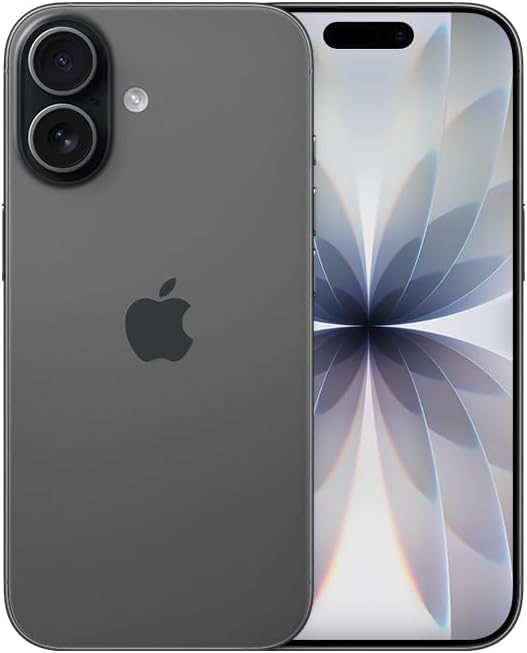
The iPhone 17, quite simply, is the greatest iPhone on the market right now.Most customers either regret buying too little or too much of a Pro, depending on their needs. That 17 hits the mark.To start, it has the same 6.3-inch 120Hz ProMotion screen as the Pro versions, which means it has always-on features like smooth scrolling and quick-access notifications.The next feature is a 48-megapixel camera system with Center Stage, which allows for both wide-angle and ultrawide images, as well as an adjustable selfie camera.
Lastly, the all-day battery easily outlasts every older standard iPhone, and it supports up to 30 hours of movie playback.The lack of a telephoto zoom lens is a cons. Instead of the Pro’s three rear cameras, that’s two. The style is almost identical to the previous year’s model.Recommended for: regular users looking for a more affordable version of the Pro experience. Not recommended for: skilled photographers or those who frequently use a zoom lens.
3: Apple iPhone Air

For the thinnest and lightest iPhone yet, go no further than the iPhone Air.Phones have subtly become cumbersome and hefty to carry around. When it comes to design, the Air rejects the idea that anything else is comparable.To begin, it is much more comfortable to handle and carry around all day thanks to its slim body (only 5.6 mm) and light weight (165 g).After that, we have the flagship A19 Pro processor, which packs the same punch as previous Pro models but has a much more compact design.
Last but not least, a titanium frame featuring Ceramic Shield 2 on both the front and back—surprisingly sturdy considering how small it is.Limitations: lack of telephoto or ultrawide lenses due to a single rear camera. The 17-series battery life is worse on days with intensive use. Maximum power for charging is 20 watts.Light users and design enthusiasts that prioritize experience over specifications are the ideal target audience. Apt for casual users and amateur photographers.
2: Apple iPhone 17 Pro
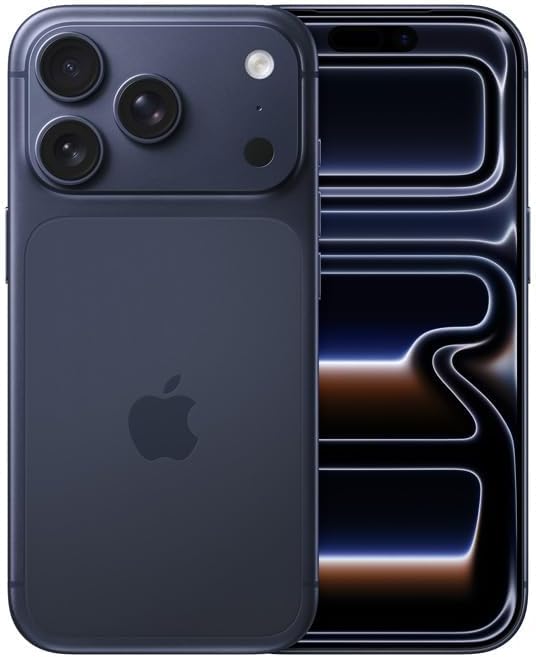
Among iPhones, the 17 Pro is the most capable camera-wise and performance-wise (sans Max) option.Even the largest phone seems too cumbersome to hold while you want for professional-grade photography and processing capabilities. This is all packed into the little 17 Pro.To start, it has the most versatile arrangement of any camera short of the Max, with three separate cameras totaling 48 megapixels: a wide-angle, an ultrawide, and a telephoto lens that can zoom up to 8x.The next generation A19 Pro chip has lightning-fast USB transfers, so you can edit 4K videos, play games, and edit photos with ease.
The 18-megapixel Center Stage front camera is the last piece of the puzzle; it can even take selfies in a horizontal orientation when held vertically.One drawback is the price. Though robust, the battery life is inferior to that of the Pro Max. Not everyone will like the daring camera bar.Who it’s best for: creatives, photographers, and heavy users looking for a more compact flagship. Who it is not for: Those on a tight budget or those who are chasing after batteries.
1: Apple iPhone 17 Pro Max

In 2026, the best iPhone will still be the iPhone 17 Pro Max, Apple’s most competent smartphone to yet.Screen, battery, or camera quality is always something other models make you give up on. Unfortunately, the Pro Max is unequivocally opposed to it.One of the best features is the longest battery life of any iPhone model. You can watch up to 39 hours of video on a single charge, which is more than enough to get you through a whole day.Second, the lineup’s largest and brightest screen, a 6.9-inch 120Hz OLED panel designed for gaming and video.
The third feature is Apple’s most powerful camera to date, a 48-megapixel triple-camera system with an 8x zoom lens that can capture everything from faraway details to expansive landscapes.A19 Pro, the fourth option, has 2 terabytes of storage, which is equivalent to desktop power and enough room for all of your photo albums.Downsides: it’s the heaviest and most costly model available. Not everyone is a fan of the size. Those premium storage levels can get rather costly.Optimal for: heavy users, frequent fliers, and anyone seeking excellence in all things. Avoid if you’re on a limited budget or like compact phones.
Things to Consider Before Buying a iPhone:
Several iPhone models exist, catering to different needs and budgets. Depending on preferences for features, performance, and pricing, you can make an informed choice. Categories include flagship models, standard variants, and budget-friendly options, each offering unique benefits and specifications.
Flagship Pro and Pro Max Series
Premium performance characterizes the Pro and Pro Max series, featuring advanced camera systems and enhanced processing power. These models often include cutting-edge technology such as ProMotion displays and superior battery life, appealing to power users and photography enthusiasts.
Standard and Plus Model Variations
Standard and Plus models offer a well-rounded balance of performance and cost. These variations are designed for everyday users who appreciate vital features without needing the latest technology found in Pro models.
Standard models focus on functionality, while Plus variations deliver larger displays and better battery performance. Users seeking practicality will find these models suitable for everyday tasks such as browsing, social media, and streaming, delivering a satisfying experience without unnecessary frills.
The Budget-Friendly SE Lineup
The SE lineup caters to budget-conscious consumers who still desire quality performance. These models provide core iPhone functionalities at a more accessible price point, making them ideal for students or those new to the iPhone ecosystem.
SE models tend to incorporate some flagship features while maintaining a more compact design. With adequate processing power, these iPhones can efficiently handle common tasks, ensuring that users enjoy a satisfactory experience without overspending. This makes them especially appealing for anyone prioritizing value alongside performance.
Storage Capacity and Cloud Requirements
Assessing the storage capacity is imperative, particularly when considering how much data you will store on your device versus what you’ll keep in the cloud.
Battery Longevity and Charging Standards
Longevity of the battery plays a significant role, especially for heavy users who may require frequent charging. Consider how quickly the phone charges and the availability of charging accessories.
Battery performance can vary significantly between models, with some iPhones boasting all-day battery life under normal usage. For quick top-ups, ensure compatibility with fast-charging options and look for devices that support MagSafe technology, which can streamline your charging experience.
Camera Specifications for Photography and Video
Camera specs are paramount for photography enthusiasts, as iPhones offer varying lens configurations and features that enhance your photo and video experience.
Understanding the differences in camera capabilities, such as the number of lenses and sensor sizes, can help you capture high-quality images and videos. Newer models often feature enhanced low-light capabilities, optical zoom, and advanced computational photography tools that can greatly improve your photography, even for casual users aiming for stunning shots.
Advantages of Seamless Ecosystem Integration
Countless users appreciate the integration between iOS devices and other Apple products, such as MacBooks and Apple Watches. Messages, calls, and files sync effortlessly across devices, allowing you to maintain a smooth workflow. This interconnectedness can significantly enhance productivity for those fully invested in the Apple ecosystem.
Limitations of a Closed Software Environment
Closed environments limit user options, forcing reliance on approved applications from the App Store. While security may be tighter, access to alternative software or functionality can be restricted. This often results in a trade-off between user freedom and system protection.
Users may encounter frustration with restricted app choices due to Apple’s stringent guidelines. Customization options are minimal, and many popular applications may not support the same features available on other platforms. For individuals or businesses seeking extensive flexibility in software selection, these limitations can be especially inconvenient, as they may hinder productivity or preferred workflows.
Identifying Your Primary Usage Needs
Analyze how you plan to use the iPhone, focusing on features that match your lifestyle. For example, avid photographers might benefit from models with superior camera systems, while dedicated gamers will want devices with high processing power.
Setting a Realistic Budget Range
Establish your financial parameters before making a purchase decision. Understanding the range of iPhone prices will help you identify models that fit within your established budget.
When setting a budget, consider not only the phone’s initial cost but also any additional expenses that may arise. Accessories, warranties, and potential service fees can add significantly to your total expenditure. Researching previous models can also provide insight into long-term value.
Verifying Network and Carrier Compatibility
Confirm that your selected iPhone model works with your current mobile carrier. Network compatibility ensures optimal performance, particularly in data speed and connectivity.
Investigate whether the iPhone operates on the necessary frequency bands to match your carrier’s network. Certain models may be locked to specific carriers, affecting your choice if you wish to switch providers later. Checking compatibility on the carrier’s website can save time and avoid potential issues post-purchase.
Timing the Buy Around Product Launch Cycles
Buying right before a new iPhone launch can lead to favorable deals on older models. Retailers often discount these devices to clear inventory. Keeping an eye on Apple’s announcements helps you plan purchases strategically.
Evaluating Trade-in Values and Refurbished Options
Assessing trade-in values can significantly reduce your overall purchase cost. Many retailers offer savings for your old device, while refurbished options provide a high-quality purchase at a lower price.
Exploring trade-in values involves checking multiple platforms for the best offers. Retailers like Apple allow you to evaluate your device’s value online, which can come in handy when deciding whether to trade or sell outright. Refurbished iPhones typically undergo extensive testing and come with warranties, making them a reliable option. Many users find this a practical choice that fits within their budget without sacrificing quality.
Selecting Essential Protection and Accessories
Protection options, like screen protectors and sturdy cases, are imperative to safeguarding your investment. These accessories can minimize potential damage from drops or scratches.
Selecting the right accessories can significantly enhance your iPhone experience. For instance, a high-quality case reduces the risk of damage, while screen protectors safeguard against scratches. Consider investing in a reliable charging cable and wireless charger, as these can streamline daily use and minimize wear on your device. Opting for accessories specifically designed for your iPhone model ensures a better fit and long-term satisfaction.
Summing up
Investing in an iPhone involves careful consideration of various factors, such as budget, storage capacity, and preferred features. Evaluating your needs against the available models ensures you select the right device that complements your lifestyle. Engaging with current user reviews can further enhance your understanding and inform your final decision.
Leave a Reply