
Finding the best TV 2026 shouldn’t feel like a chore. With dizzying 4K resolution and new OLED technology, picking the right screen is tough. You deserve a breathtaking home cinema experience that brings every movie to life. We’ve tested the latest models to save you time and money. Whether you want smart features or deep blacks, our guide makes it easy. Let’s dive into the top-rated displays hitting the shelves this year.
Contents
- Top 7 TV 2026:
- 7: TCL QM6K 65″
- 6: Hisense U6 65U65QF 65″
- 5: Hisense U7 65U75QG 65″
- 4: TCL QM7K 65″
- 3: TCL QM8K 65″
- 2: Samsung S90F OLED 65″
- 1: Samsung S95F OLED 65″
- Things to Consider Before Buying a TV 2026:
- Comparing OLED, QD-OLED, and MicroLED Technologies
- Pros and Cons of High-Brightness Mini-LED Panels
- Understanding 8K Viability and AI Upscaling Performance
- Refresh Rates and Low-Latency Standards for Gaming
- Calculating Optimal Viewing Distance for Large Screens
- Assessing Room Lighting and Anti-Reflective Coating Needs
- Internal Speaker Architecture vs. Soundbar Integration
- Timing Your Purchase Around 2026 Product Cycles
- Identifying Essential Features vs. Marketing Gimmicks
- Summing up
Top 7 TV 2026:
7: TCL QM6K 65″

In 2026, the greatest little LED TV on a budget will be the TCL QM6K.Flat, washed-out visuals used to be the norm for budget televisions. No comparison. Not a single punch.That is eliminated by the QM6K.The QD-Mini LED with Halo Control is the first item to be discussed. True local dimming, with black levels lower than those of any inexpensive TV with edge lighting.Up next: a 144 Hz display paired with the Game Accelerator 288TM. Efficient movement for PC and console players who play casually.
And lastly, the premium HDR standards that the majority of affordable TVs overlook: Dolby Vision and Dolby Atmos.The downsides include a limited viewing angle that makes the couch’s corners look less vibrant, HDR highlights that aren’t as vivid as on more expensive models, and stuttering on app launches in the Google TV interface.Who it’s best for: movie evenings, casual gamers, first-time 4K upgraders. Avoid in well-lit, sunny rooms with ample seats.
6: Hisense U6 65U65QF 65″

Among 2026’s step-up budget Mini LEDs, the Hisense U6 is the greatest option for daylight spaces.Sunlight deteriorates inexpensive televisions. Fixing that is the U6.A mini-LED that can be dimmed locally in as many as 600 zones is the first. Superior contrast compared to the QM6K, with darker shadows and brighter highlights.What follows is the peak brightness in nits. Viewable even with open blinds; say goodbye to squinting during daytime athletic events.At last: an integrated Fire TV with Alexa. Just plug it in and start streaming immediately.
The color fidelity lags behind TCL’s mid-range choices, the viewing angle is too narrow, and the Fire TV home screen promotes Amazon content and advertisements.Perfect for: homes with Prime Video and midday viewers. Not for: ardent movie buffs or those who despise a home screen cluttered with advertisements.
5: Hisense U7 65U75QG 65″
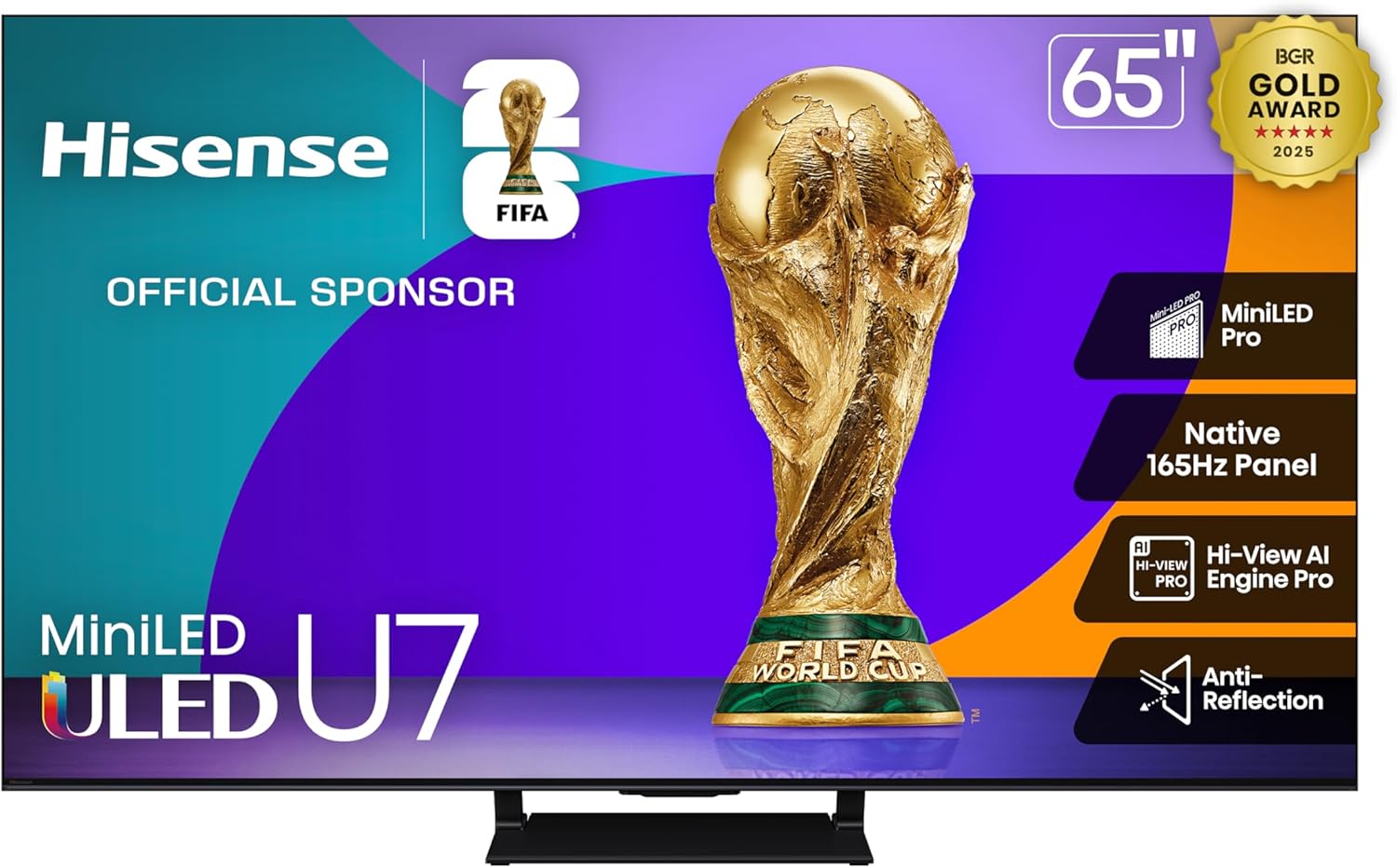
The first significant improvement, the greatest Mini LED TV in terms of gaming value in 2026—the Hisense U7.Hear it from console gamers: premium TVs are required for HDR. That takes a U7.Get this: a 165 Hz native panel that comes with Game Booster 288. With AMD FreeSync, the top responsiveness for consoles and PCs, VRR can range from 48 to 165 Hz.The next level is 3000 dimming zones and up to 3000 nits. Some effects, like explosions and spotlights, really pop out of the screen, thanks to HDR.
And lastly: 2.1.2 speakers, IMAX Enhanced, and Dolby Vision IQ. Avoid three high-end formats on budget televisions.The cons include a slow-feeling Google TV interface, inferior motion handling at 4K 60Hz compared to Samsung OLEDs, and a plastic chassis that feels poorer than the alternatives.Most suited for: high dynamic range movie enthusiasts, console and PC games. Not for those who value style above all else or film purists.
4: TCL QM7K 65″
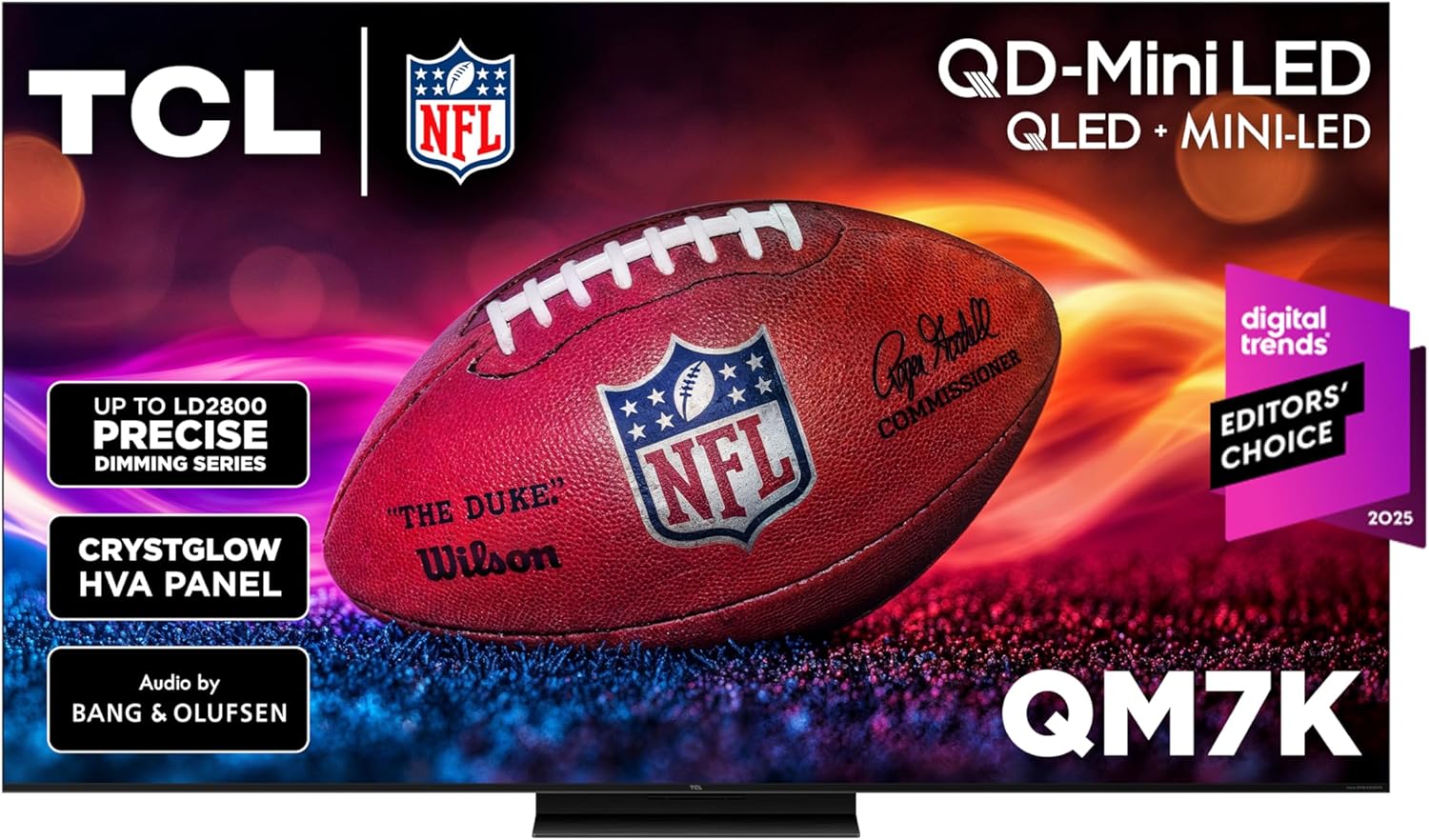
Among 2026’s Mini LED TVs, the TCL QM7K stands out as the most well-rounded option.This level of televisions all take shortcuts. Affordable sound systems. No more than one high dynamic range format. Cabinets with low lighting. Not the QM7K.Next up: LD2500 Accurate Dimming. Precise dimming in low-light settings with less haloing; improved zone control over the U7.Up next: 2.1 audio tuned by Onkyo. The first TV on our list that doesn’t require a subwoofer to enjoy—real bass and crystal clear conversation.
Lastly, we have HDR10+ and Dolby Vision. All of the main HDR formats worked as expected.Downsides include a lack of four HDMI 2.1 connectors, an inconveniently small viewing angle that makes the side seats appear washed out, and sporadic stuttering in the Google TV interface.Who it’s best for: heavy-sounding movie fans without a soundbar, and streamers of all stripes. Not recommended for homes with lots of video game consoles or extra-wide couches.
3: TCL QM8K 65″

In 2026, the most premium mini LED TV for those who aren’t quite ready to commit to OLED will be the TCL QM8K.Mini LEDs of yesteryear have drawbacks including halos, restricted angles, and ineffective anti-glare. The QM8K fills that void.First, an anti-reflective panel made of CrystGlow WHVA. In well-lit living rooms, sunlight can still touch the screen without distorting the picture, as OLEDs require a matte covering.Proceed to the next section: the Halo Control System featuring Mini LED dimming with unprecedented precision. No other TCL has achieved black levels so near to those of OLEDs.
Lastly, we have wide-angle WHVA, HDR10+, and Dolby Vision. Supports all HDR formats and has a broad viewing angle.Downsides: the Google TV interface sporadically stutters, the chassis is bulkier than competitors, and there are only two HDMI 2.1 connections on a premium-tier TV.Excellent choice for: light-filled living spaces, avid sports fans, and those who prefer non-OLED displays. Home theater purists seeking flawless blacks should not watch this.
2: Samsung S90F OLED 65″

In 2026, the greatest QD-OLED, according to most people, will be the Samsung S90F OLED.In light environments, mid-range OLEDs can appear dim. You thread the needle with the S90F.The 55-, 65-, and 77-inch QD-OLED panels are the first to be considered. Quantum Dot technology from the S95F flagship produces colors that are brighter and more vibrant than those of conventional WOLED.Next, we have the NQ4 AI Gen3 CPU. The 128 neural networks used for upscaling and scene brightness are powered by the same hardware as Samsung’s flagship.The third feature is four HDMI 2.1 connections that support 4K 144Hz with VRR. You may connect your PS5, Xbox, or gaming PC to all three of these devices for top-notch responsiveness.
Disadvantages: HDR10+ only, no Dolby Vision support, which is a pain for people who collect physical media. Only the 55-, 65-, and 77-inch models get real QD-OLED; all other sizes revert to WOLED due to the glossy finish reflecting bright lamps.Who it’s best for: console gaming households, and consumers of living room OLEDs. Neither sunny spaces nor physical media collectors should use this.
1: Samsung S95F OLED 65″

The state-of-the-art Samsung S95F OLED, perfect for any space, is the greatest television set of 2026.Whatever room a TV is in will affect it in some way. Window brightness reduces contrast. Having too many cables might destroy a wall mount. In both cases, the S95F terminates.This screen protector is designed to eliminate glare. You won’t find any reflections on this TV—the sun, lamps, and ceiling lights all just disappear.A close second is the One Connect Slim Box. Aside from the one unseen connection, the TV remains a wall-flat slab since all of the cables go through an external box.
Thirdly, four HDMI 2.1 connectors supporting 4K at 165 Hz. The quickest OLED refresh currently available, together with three types of VRR and NQ4 AI Gen3.The expensive pricing puts off most customers, the matte finish makes blacks look softer at exact angles, and Samsung is still refusing to support Dolby Vision.Who it’s best for: console fans, mixed-use areas, and high-end purchasers. Avoid: Dolby Vision disc enthusiasts.
Things to Consider Before Buying a TV 2026:
Modern TV displays come in various types, each with distinct characteristics. Understanding these differences helps you choose the best option for your viewing habits and preferences. Factors such as resolution, color accuracy, and viewing angles play a significant role in the overall experience.
Comparing OLED, QD-OLED, and MicroLED Technologies
Choosing between OLED, QD-OLED, and MicroLED can be challenging, as each technology provides unique benefits. OLED displays feature stunning contrasts, QD-OLED enhances brightness, and MicroLED offers exceptional durability. Analyze personal preferences to determine which technology fits your needs best.
Pros and Cons of High-Brightness Mini-LED Panels
High-brightness Mini-LED panels offer a balance of brightness and contrast but come with trade-offs. While they provide improved visuals in bright environments, they may struggle with black levels compared to OLED technologies. Assessing these factors will help in making an informed purchase decision.
Understanding 8K Viability and AI Upscaling Performance
Exploration of 8K viability hinges on available content and viewing distances. Upscaling performance varies greatly among brands, so prioritize models that effectively enhance lower resolutions through AI technology. This capability can make standard HD content look significantly better, improving your viewing experience overall.
Refresh Rates and Low-Latency Standards for Gaming
Focus on refresh rates and low-latency specifications for an optimal gaming setup. A higher refresh rate reduces motion blur in fast-paced games, while low-latency ensures prompt response times from the console or PC. These characteristics are important for gamers who seek an immersive experience without lag or stutter.
Selecting a TV with a refresh rate of at least 120Hz offers smoother visuals, especially during action scenes or competitive gaming sessions. Additionally, support for HDMI 2.1 standards can provide higher frame rates and variable refresh rates, enhancing responsiveness. This ensures that your next gaming experience remains fluid and engaging, minimizing the risk of input delay.
Calculating Optimal Viewing Distance for Large Screens
Determining the ideal distance relies on screen size. For a 65-inch TV, a distance of approximately 8.5 to 13.5 feet is recommended for optimal viewing, ensuring a comfortable experience without straining your eyes.
Assessing Room Lighting and Anti-Reflective Coating Needs
Evaluating your room’s lighting is necessary before making a purchase. Bright rooms may require TVs with anti-reflective coatings, while darker spaces can accommodate more reflective screens without compromising picture quality.
Assessing room lighting involves observing natural and artificial light sources. If you have large windows or bright overhead lights, screens with anti-reflective coatings are recommended to reduce glare and enhance viewing comfort. In darker settings, a standard screen will typically provide adequate visual quality without needing additional features. Prioritizing the right technology will ensure an enjoyable viewing experience tailored to your specific lighting conditions.
Internal Speaker Architecture vs. Soundbar Integration
Internal speakers often lack power and richness, making soundbars a popular alternative. They provide enhanced audio, complementing the visuals without clutter. Evaluate your space and preferences to decide which option better suits your needs.
Timing Your Purchase Around 2026 Product Cycles
Planning your purchase during key product launch periods can result in better prices on last year’s models. Manufacturers often unveil new technologies and TVs in late spring or fall, which means discounts on older versions. Target these moments wisely to stretch your budget further.
Identifying Essential Features vs. Marketing Gimmicks
Understanding what features genuinely improve your viewing experience versus those that are mere marketing buzzwords is vital. Look for specifications that directly impact performance, such as resolution, refresh rate, and panel technology.
While browsing options, focus on performance-enhancing attributes like OLED displays, HDR capabilities, and sound system quality. Many features often touted, such as excessive smart functionalities, may not add real value. Assessing your needs can help you avoid overspending on unnecessary enhancements. Always prioritize practical features that align with your viewing habits.
Summing up
From above, considering factors like screen size, resolution, smart features, and compatibility with other devices is necessary before purchasing a TV in 2026. Assess your viewing habits and room dimensions to ensure the best fit. Prioritize brands known for reliability and customer service to make a sound investment.
Leave a Reply