
Best Wood Burning Stoves can warm your home and cut heating bills-if you choose wisely. If you’re tired of high energy costs or chilly rooms, this guide helps. Our expert-tested reviews of top wood stoves and EPA-certified models point out safe, efficient heating and easy setup tips. Imagine cozy, heartwarming nights that make your family feel truly safe. Read on to find the right log burner for your space and budget.
Contents
- Top 7 Wood Burning Stoves:
- 7: Cleveland Iron Works Single Burn Rate Stove
- 6: US Stove Company Cast Iron Wood Stove, 54,000 BTU
- 5: Ashley Hearth AW1120E-P 1,200 sqft Wood Stove with Legs and Pedestal
- 4: US Stove 750 Sq Ft Stove, 75% Efficient (TH-100)
- 3: Ashley Hearth AW2020-P 2,000 sqft Wood Stove with Legs and Pedestal
- 2: Ashley Hearth AW1820E 1,200 Sq. Ft. Wood Stove Insert
- 1: Ashley Hearth AW2520E-P 2,500 sq ft Wood Stove with Legs and Pedestal
- Things to Consider Before Buying a Wood Burning Stove:
- Catalytic and non-catalytic stoves
- Room Size, Layout, and Heating Needs
- Fuel Availability, Stove Size, and Budget
- Benefits of wood heat
- Limitations and ongoing responsibilities
- Hearth, Clearances, and Chimney Requirements
- Building Codes, Permits, and Professional Installation
- Compare efficiency ratings and emissions
- Plan for seasoned wood, storage, and upkeep
- Assess heating needs and shortlist stove types
- Verify specifications, costs, regulations, and installation
- To wrap up
Top 7 Wood Burning Stoves:
7: Cleveland Iron Works Single Burn Rate Stove

When looking for an affordable stove for a workshop or small cottage, go no further than the Cleveland Iron Works Single Burn Rate Stove.You won’t need a giant stove in a hunting cabin or workshop. Stable, reasonably priced heat is required.First, it has a 27,000 BTU capacity and is EPA registered and rated for 900 square feet. More than enough for a small store or cabin.The next item is 77 pounds of heavy-duty cast iron. No dolly! Just two people to lift it in.
Lastly, the door is airtight thanks to a ceramic rope gasket, and the two-piece handle remains cool even when heated.Downside: you can only adjust the burn rate, therefore there’s no way to adjust the heat. Anything larger than a cabin or two-car shop is too much for its 27,000 BTUs.Ideal for: small spaces, rustic lodges, limited funds. Inadequate for: providing heat to a whole house.
6: US Stove Company Cast Iron Wood Stove, 54,000 BTU

The finest traditional log stove for lodges is the Cast Iron Wood Stove by the US Stove Company.Once the sun goes down, a plug-in space heater won’t be able to keep up with the chilly nites in the cabin. I can use this stove.To start, it has twice the output of number 7 at 54,000 BTUs for 900 square feet.After that, you won’t have to chop as much wood or reload as frequently because the firebox can accommodate logs up to 19 inches in diameter.
Lastly, a sturdy cast-iron body with a cool-touch safety grip. Unlock the door while you’re cooking without fumbling for a glove.One drawback is that it requires two people to install because to its weight of 130 pounds. For a depth of 33 inches, a deep hearth pad is required. The 900 square feet make it suitable only for modest houses or cabins.Perfect for those who own cabins, weekend getaways, or smaller residences. Wide open layouts are not ideal.
5: Ashley Hearth AW1120E-P 1,200 sqft Wood Stove with Legs and Pedestal

When the power goes out, the Ashley Hearth AW1120E-P is your best bet for backup heating.Your furnace will also turn off if an ice storm disrupts power to the area. This cooktop couldn’ care less.To start, you can heat up to 1,200 square feet using 68,000 BTUs and absolutely no power. During a blackout, heat continues to circulate.After that, the smoke is burned off using non-catalytic secondary combustion, which has benefits such as reduced emissions, more heat per log, and the absence of a catalyst that needs to be replaced.
Lastly, the package includes a pedestal base, legs, and an air-wash system to assist maintain clear glass.The blower is not included in the package, therefore the heat will remain close to the burner. The longest log is 18 inches. Plate steel appears unassuming in comparison to cast iron.Homes in rural areas and those prone to storms are the best candidates. Do not purchase if you are looking for pre-installed forced-air heating.
4: US Stove 750 Sq Ft Stove, 75% Efficient (TH-100)

If you’re looking for a tiny stove or one to use for zone heating, go no further than the US Stove TH-100.Large stoves aren’t always practical in smaller homes. Real heat without sacrificing half the floor is essential for small spaces and tiny residences.First of all, it fits into nooks where full-size stoves won’t—its footprint is only 16.4 inches wide and 18.8 inches deep.Following that, it has an efficiency rating of 75% and can burn for up to 8 hours on a single charge; it is also EPA approved.
Lastly, it’s US mobile home certified and has 26,000 BTUs for spaces up to 750 square feet.Downside: the limit for logs is 11 inches. Your stove pipe and blower will be sold independently. This heater is the tiniest one here.Perfect for: heating just one room in a small house or tiny house. Disliked by those with open floor layouts and those who despise cutting wood into small pieces.
3: Ashley Hearth AW2020-P 2,000 sqft Wood Stove with Legs and Pedestal
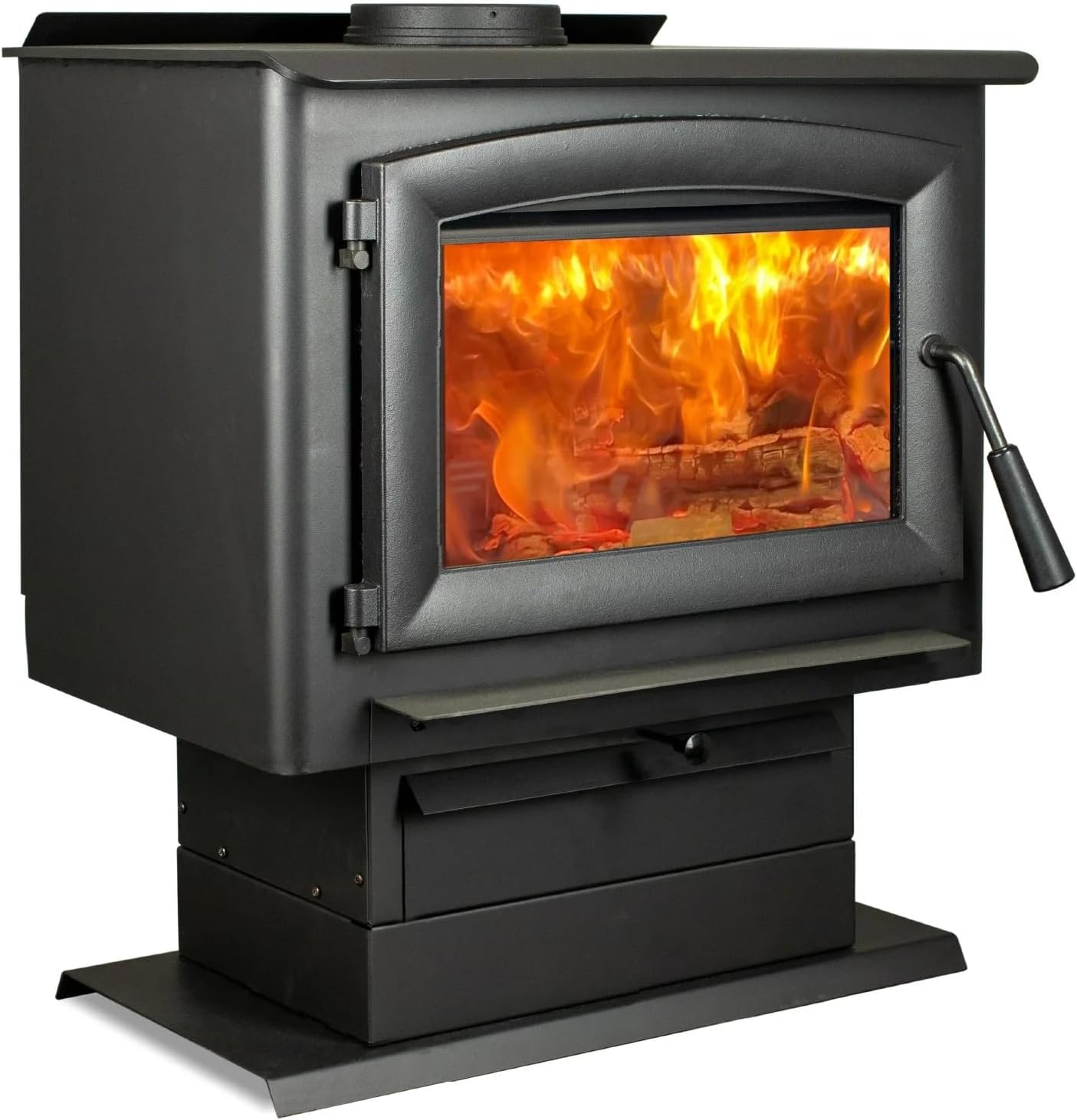
For houses with a medium-sized family, the ideal stove is the Ashley Hearth AW2020-P.A cabin stove will not be able to heat every room in a home that is more than 1,500 square feet. The AW2020-P does its best.First, heat up to 2,000 square feet with 89,000 BTUs—more than enough to keep a typical American home warm during a winter storm.Additionally, it has US mobile home approval and EPA Step 2 2020 certification.
Lastly, the firebox is designed to accommodate logs that are 21 inches in diameter. It comes with a huge ash pan for easy cleanup and an air-wash system to maintain clear glass.It requires a crew to move because it is about 280 pounds. You may buy the blower on its own. It’s too big for apartments and lodges with limited space.Houses in rural areas and those with up to 2,000 square feet of living space are the Best Fit. Whoever wants a blower in a box or has a tiny cabin will not find this suitable.
2: Ashley Hearth AW1820E 1,200 Sq. Ft. Wood Stove Insert
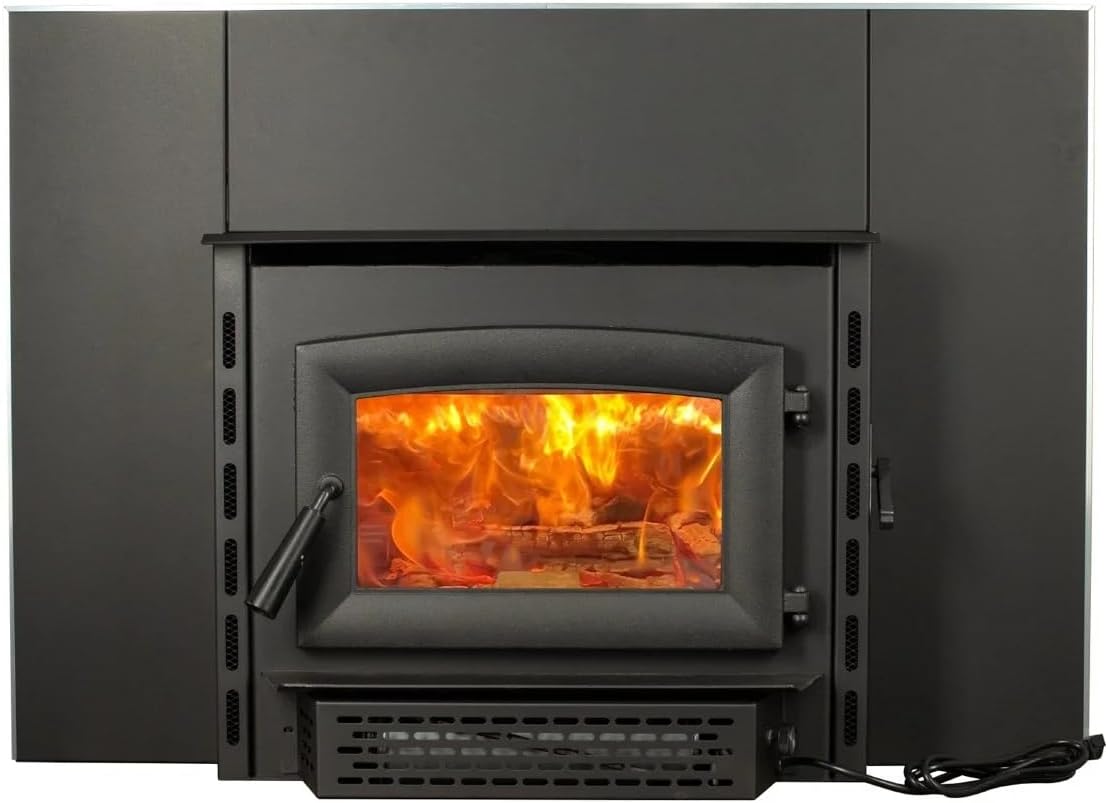
If your home has a fireplace already, the Ashley Hearth AW1820E is a great choice.Although an open masonry fireplace is esthetically pleasing, the majority of the heat is lost up the chimney. This hole is transformed into a functional heater by the AW1820E.The first is that it can burn 18-inch logs in a 1.2 cubic foot firebox, producing up to 69,000 BTUs over 1,200 square feet.As a second step, a 150 CFM blower is integrated and can be adjusted to direct heat into the room rather than up the chimney.
Lastly, the previous opening is covered with a 31 by 44-inch surround, and the fire is kept on show through a 14.5 by 8-inch air-washed glass window.Downside: not compatible with mobile houses; only suitable for masonry fires. A 6-inch liner for the chimney is required.Deliveries of goods are halted at the curb.Ideal for: houses that have a drafty fireplace that isn’t used very often. Not suitable for: houses that do not have a fireplace made of masonry.
1: Ashley Hearth AW2520E-P 2,500 sq ft Wood Stove with Legs and Pedestal
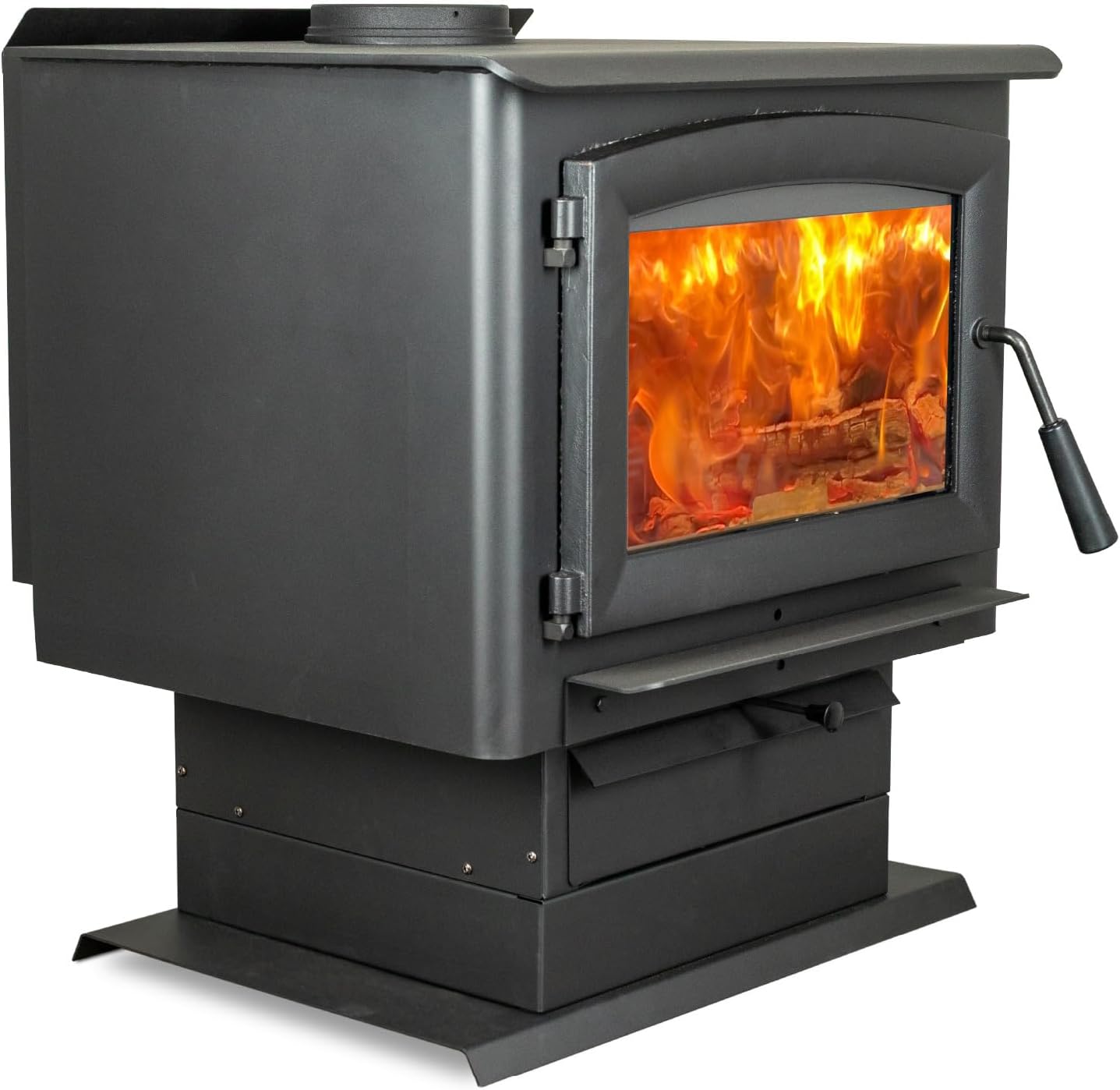
When it comes to big homes and whole-house wood heat, the Ashley Hearth AW2520E-P is the greatest wood burning stove.Stoves often only heat one area. A larger engine is required to transport enough wood to sustain a whole house over the winter.The first and most powerful option is 112,800 BTUs, which can heat an area as large as 2,500 square feet.The second is a firebox with 2.7 cubic feet of space that can accommodate logs that are 21 inches in diameter. Burn times and trips to the woodpile are both reduced with larger loads.Thirdly, using non-catalytic secondary combustion to get greater heat from a smaller amount of wood eliminates the need for power.
The fourth requirement is that the mobile home be equipped with a fresh-air kit, as well as legs, a pedestal, and a detachable ash pan that has an inside ash port.Downsides: installation requires a crew and delivery ends at the curb due to its 291-pound weight. You may buy the blower on its own. It’s too big for cozy cottages.Large residences, farmhouses, and those who primarily utilize wood for heating are the best candidates. Avoid: cramped living quarters or tiny cabins.
Things to Consider Before Buying a Wood Burning Stove:
Selecting a wood-burning stove involves more than just choosing a stylish model. Numerous factors can affect efficiency, safety, and even your home’s air quality. Whether you seek warmth during winter nights or a cozy ambiance, understanding these considerations is essential for making the right choice for your needs.
Catalytic and non-catalytic stoves
Catalytic stoves feature an additional component that promotes secondary combustion, resulting in cleaner emissions and increased efficiency. These stoves often require a bit more maintenance due to the catalytic combustor, but their environmental benefits can be significant. Non-catalytic stoves, utilizing a straightforward design, rely on insulation and airflow for combustion, making them easier to operate. While they may not achieve the same level of emission control, their simplicity appeals to many homeowners seeking a low-maintenance option. The choice between these types hinges on personal preference and environmental considerations.
Room Size, Layout, and Heating Needs
Assessing your room size and layout is essential for determining the appropriate stove capacity. A small, well-insulated room may require less heat than a larger, drafty space. Consider the stove’s BTU output relative to the square footage you wish to heat. Open floor plans may benefit from strategically placing the stove to distribute warmth evenly, while closed-off areas might necessitate a powerful model to meet heating demands efficiently.
Fuel Availability, Stove Size, and Budget
Evaluating fuel availability affects both operational costs and sustainability. Ensure that wood is easily accessible and affordable in your region, as prices vary significantly. Choose a stove size that matches the heating needs of your home without being excessively large, which can lead to higher operational costs. Set a realistic budget that considers purchase price, installation expenses, and future fuel costs to make an informed decision.
Benefits of wood heat
Wood heat offers a cozy atmosphere, contributing to a homey and inviting environment during cold months. The feel of radiant heat produced by a wood-burning stove can create a distinct warmth that electric or gas heating often lacks. Additionally, it provides a sense of self-sufficiency, as sourcing wood can reduce utility bills and dependency on fossil fuels. Many also appreciate the aesthetics of a crackling fire, which enhances the overall ambiance of living spaces.
Limitations and ongoing responsibilities
Ongoing responsibilities accompany the benefits of wood heat, including the need for proper wood storage and seasoning. Unseasoned wood can lead to creosote buildup in chimneys, which poses fire hazards. Regular cleaning is necessary to maintain effective airflow and improve heat output. Managing emissions and ensuring the stove operates efficiently requires attention to both fuel type and usage patterns, underscoring the need for ongoing commitment from users.
Hearth, Clearances, and Chimney Requirements
Clearances around your stove are non-negotiable for a safe setup. Typically, wood-burning stoves require at least 36 inches of clearance from combustible materials, but this can vary based on the model. The hearth should extend beyond the stove significantly, creating a fireproof barrier. Compatibility with existing chimneys also matters; using the correct flue size ensures efficient smoke evacuation and reduces the risk of chimney fires. Sometimes, a direct venting system may be necessary to meet safety standards.
Building Codes, Permits, and Professional Installation
Local building codes dictate many aspects of wood stove installation. A permit may be required, reflecting your jurisdiction’s regulations surrounding fire safety and emissions. Engaging a certified professional ensures compliance with all necessary codes, which vary widely from one area to another. Without professional installation, you risk serious legal and safety repercussions. Local authorities may also require inspections to confirm that installation meets fire safety protocols, further reinforcing the importance of adhering to legal standards.
Compare efficiency ratings and emissions
Look for stoves that boast high efficiency ratings, as these directly affect fuel consumption and heat output. Models with an efficiency of 75% or above will provide better heat for less wood. Besides, examining emissions levels is necessary for both environmental responsibility and compliance with local regulations. Opt for stoves that meet or exceed EPA standards to ensure cleaner air quality inside and outside your home.
Plan for seasoned wood, storage, and upkeep
Securing seasoned wood is essential for optimal stove performance. Logs should be dried for at least six months to ensure efficient burning and reduced creosote buildup. Design a storage solution that keeps wood dry and accessible, such as a covered woodpile or racks. Regular maintenance, including cleaning the chimney and stove components, helps prolong the stove’s lifespan and maintains efficiency.
Assess heating needs and shortlist stove types
Determining your heating needs begins with measuring the space you want to heat. Consider factors such as insulation quality, ceiling height, and overall square footage. After gathering these details, compare various stove types like traditional, catalytic, or modern designs. Each type offers different efficiencies and emissions, so identify which suits your home and lifestyle best. Once narrowed down, consider specific models that align with your heating requirements.
Verify specifications, costs, regulations, and installation
Confirming specifications involves checking dimensions, heat output, and efficiency ratings, as these directly impact performance. Costs should encompass not only the stove but also the installation and any necessary modifications to your home. Review local regulations regarding emissions and safety standards to ensure compliance. Engage with a professional installer to discuss logistics, as their expertise will help tailor the installation to your specific requirements.
To wrap up
Choosing a wood-burning stove requires careful consideration of various factors specific to your needs and space. Analyze your heating requirements, local regulations, and available wood sources to ensure compatibility. Examine the stove’s efficiency and emissions ratings to align with environmental standards. Investigate different designs and fuel types that match your aesthetic preferences. Evaluating warranties and after-sales services can further enhance your investment. A well-informed decision can lead to a satisfying and effective heating solution for your home.
Leave a Reply